
On the back of the card
- The Little Haiti Cultural Complex, run by the City of Miami, broke ground in 2006 and draws more than 100,000 visitors and participants a year.
- The free Little Haiti trolley runs Monday through Saturday from 6:30 a.m. to 8 p.m. and on Sundays from 8 a.m. to 8 p.m.
- Buena Vista East, on the neighborhood’s southern side, is one of the City of Miami’s local historic districts.
Little Haiti lies north of Wynwood and the Design District. For decades it has been the center of Haitian and wider Caribbean life in Miami, with churches, markets and small family businesses. It is also a neighborhood in transition: new buyers and builders have arrived as nearby districts have grown more expensive.
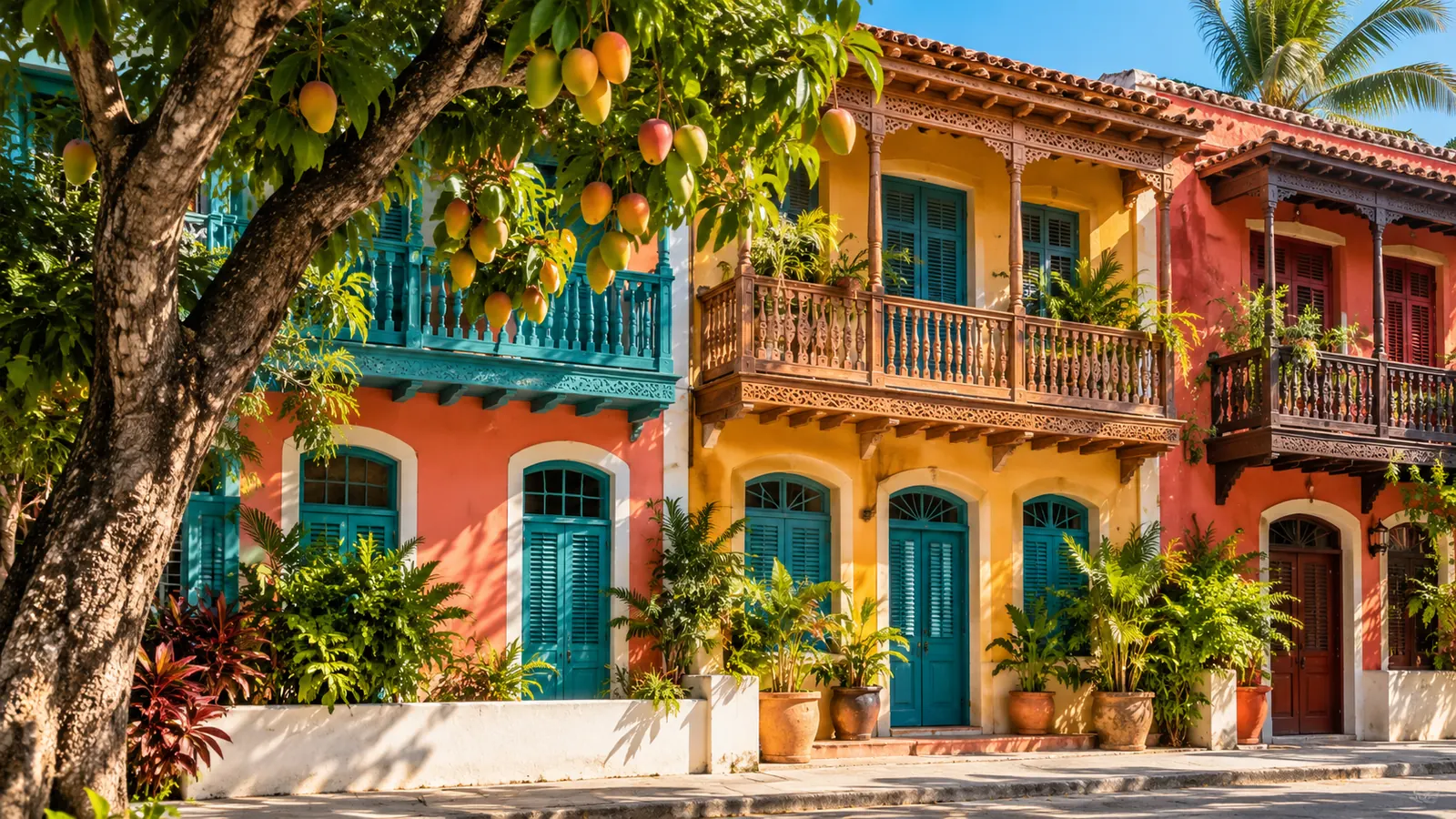
The Little Haiti Cultural Complex
The neighborhood’s civic anchor is the Little Haiti Cultural Complex, run by the City of Miami. According to the city, it broke ground in 2006, fulfilling a long-held plan of the late City Commissioner Arthur E. Teele, Jr., and more than 100,000 people a year now visit or take part in its programs.
The city describes its mission as presenting and preserving Afro-Caribbean cultures, inspiring young leaders and using arts and culture for community building. The complex includes a theater with auditorium seating, two balconies and a 1,370-square-foot stage, an art gallery used by local artists, and a marketplace. Its calendar lists free weekly fitness events and free arts and crafts workshops for families. For a new resident, it is the easiest place to meet neighbors and learn the community’s history.
Getting around
The free City of Miami Little Haiti trolley covers the neighborhood’s cultural landmarks and parks. It runs Monday through Saturday from 6:30 a.m. to 8 p.m. and on Sundays from 8 a.m. to 8 p.m. Its stops include three parks:
- Little Haiti Soccer Park
- Eaton Park
- Buena Vista Park
The Liberty City trolley also has a stop connecting with the Little Haiti route. For downtown, the Biscayne trolley runs along Biscayne Boulevard to the east. Metrorail does not run through the neighborhood, so many residents rely on buses, trolleys or a car for longer trips. See Getting Around Miami Without a Car: Metrorail, Metromover and the Free Trolleys for fares and transfers.
Tip: The Little Haiti trolley stops earlier on weekdays and Saturdays than many other city routes. If you work late, check the last trolley before counting on it.
Historic districts nearby
The City of Miami’s historic preservation office manages several districts around Little Haiti. Buena Vista East is one of its local historic districts, and the MiMo/BiBo and Morningside historic districts are also nearby.
If you buy in or next to one of these districts, exterior work such as new windows, additions or demolition generally needs a certificate of appropriateness from the city. The preservation office recommends speaking with staff before you start a project on a historic property.
Housing: what to look for
Little Haiti’s housing mixes older single-family homes, duplexes and small apartment buildings with new projects. Older buildings call for the usual Miami checks:
- Windows and hurricane shutters, and whether a landlord or owner installs them before a storm.
- Roof age, which affects both insurance costs and leaks in the rainy season.
- Air conditioning capacity for July and August.
- Drainage on the street during the heavy rains of June and September, Miami’s two wettest months on average.
Buyers receive the seller’s Florida flood disclosure at or before contract signing. It asks about flooding damage, insurance claims and federal assistance. Read it closely, and price a separate flood policy, because homeowners insurance does not cover flood.
Storm season matters here as everywhere in the county. The Atlantic hurricane season runs from June 1 to November 30 and peaks around September 10, the National Hurricane Center says. Miami-Dade sends emergency notices through Miami-Dade Alerts, and it advises people in mobile homes or on electrically powered medical equipment to leave under any evacuation order.
A neighborhood in change
Neighborhoods change, and long-time residents in Little Haiti have watched rents and property prices rise as new development arrives. If you are new, it helps to arrive as a neighbor rather than just a tenant: shop locally, learn about the community through the cultural complex, and pay attention to local meetings about new projects.
Taxes for owners
If you buy a home and live there as your permanent residence, apply for the Florida homestead exemption by March 1 after your first January 1 in the home. It can reduce the home’s taxable value by about $50,000, and Florida’s Save Our Homes rule then limits yearly increases in assessed value to 3 percent or inflation, whichever is lower. Neighbors who have owned for many years often pay much less tax than a new buyer next door for that reason.
Who it suits
Little Haiti suits people who value a strong cultural identity, want a house or small building in the city at a price below the nearby arts districts and are comfortable with a neighborhood that is still changing. Its western neighbor Wynwood is covered in Living in Wynwood: From Warehouses to Murals and New Housing.